

Cryoablation uses extreme cold to destroy abnormal tissue. Doctors guide a thin probe to the target area, and the cold freezes the cells. This method treats several conditions, including kidney tumors, lung tumors, chest tumors, liver tumors, and cervical cancer. If you face one of these diagnoses, you may want a treatment with a lighter footprint.
Understand the Procedure
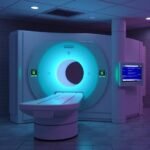
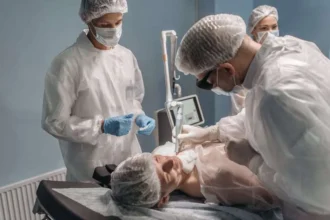
Cryoablation often requires no large incision. The probe enters through a tiny opening, and imaging keeps it on target. Because the entry point stays small, you avoid open surgery, making recovery more manageable. Imaging tools, such as CT or ultrasound, guide the probe with steady precision. Doctors use this technique for kidney, lung, chest, and liver tumors. Your team carefully plans each step, so you know what happens before, during, and after. You receive clear instructions, and that preparation helps you feel ready and calm.
Review the Side Effects
The small entry point limits scarring, and that helps the treated area heal cleanly. Cryoablation typically causes fewer side effects than many surgical options. This approach suits people who manage cervical cancer or tumors in the kidney, lung, chest, and liver. Patients often report less disruption to daily routines, while they return to normal activities sooner because the body endures less stress. Key benefits include:
- Mild pain that many people manage with simple medication at home
- Less discomfort during recovery, since freezing can numb nearby nerves
- Low blood loss, which reduces the risk of complications from open surgery
- Less time under anesthesia, because the procedure is brief
Your care team monitors you closely afterward, and they watch for swelling, bleeding, or signs of infection. Since you receive clear aftercare steps, following them helps you heal steadily and avoid setbacks. You discuss your history with your doctor. Together you weigh the trade-offs that matter most.
Protect Surrounding Healthy Tissue
Cryoablation focuses cold precisely on the target. The probe freezes the intended cells, and surrounding healthy tissue receives less damage. Because imaging tracks the freeze zone in real time, your doctor adjusts the process, and that control protects nearby structures. The visible ice ball gives a clear boundary. The team treats the tumor while sparing the margin around it.
This precision benefits sensitive sites, such as the kidney, liver, lung, and chest, where nearby organs sit close together. When the treated area heals, you keep more function, and that matters for organs like the kidney. The focused freeze also lowers the chance of harming blood vessels and nerves that run near the tumor. Because the method targets a defined zone, your doctor can repeat it later if new tissue needs treatment. You keep more healthy tissue intact, so your body retains function in the treated region.
Discuss Cryoablation Today
Cryoablation may fit several conditions you face today. It can avoid large incisions, reduce scarring, and protect nearby tissue, and those features make it worth a serious conversation. Since your doctor reviews your imaging and goals, you decide together. Bring your questions to your appointment, and ask whether this option matches your diagnosis.
- Finding a Cardiologist Who Respects Your Health Journey
- Nuclear Medicine and Its Use in Cancer Therapy Monitoring
- # Advantages of Trying Cryoablation
- Digital Transparency and Customer Confidence in Local Service Providers: The Role of Online Reviews
- Over the past two decades, urban centers worldwide have experienced an unprecedented surge in vertic